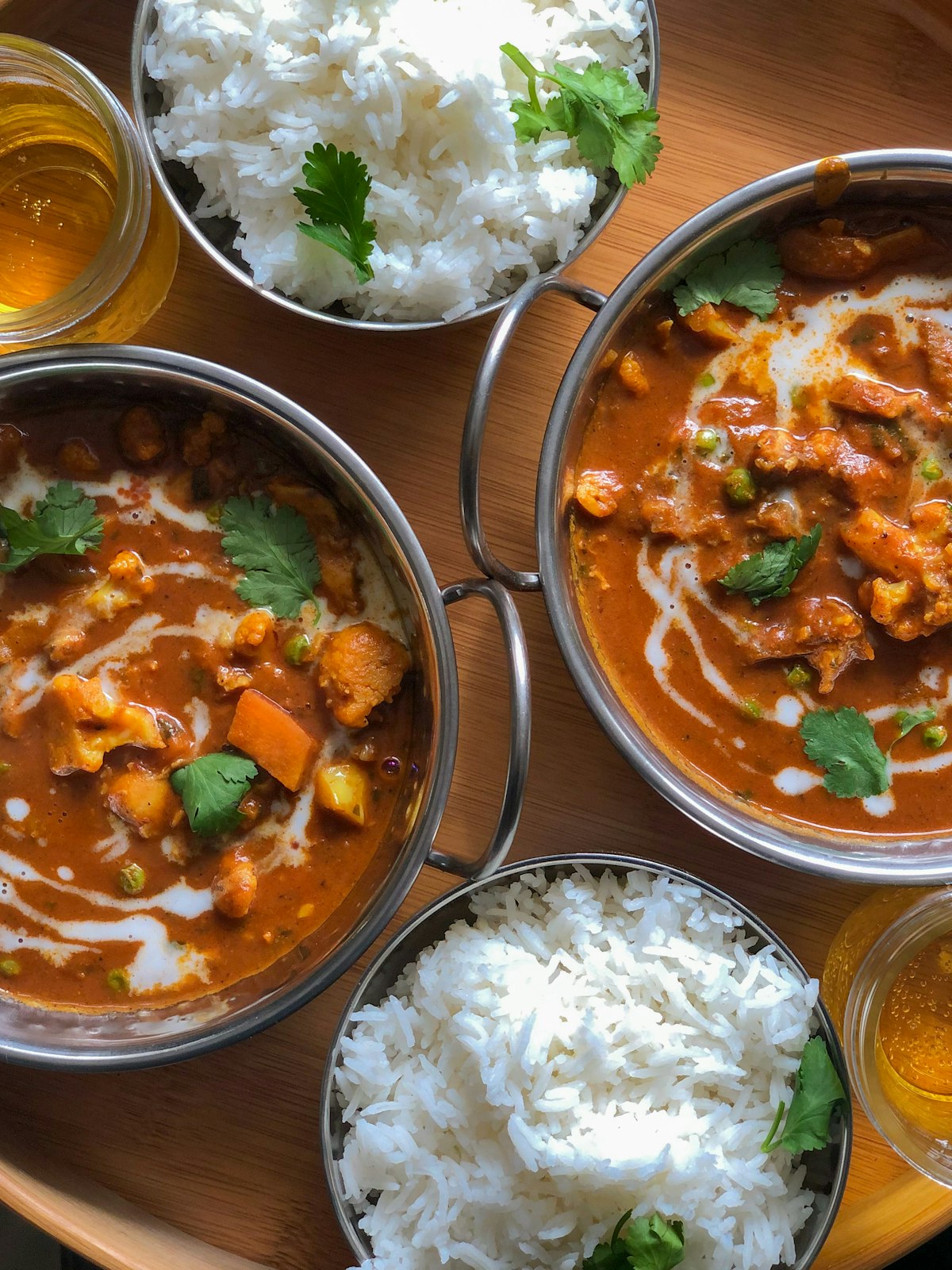

Made too much salan? Or do you want to cook once and eat well all week? Then you have probably asked: can you freeze curry? The short answer is yes — most Pakistani curries freeze beautifully and taste nearly as good reheated as they did fresh. But not every curry freezes equally well, and a few packing mistakes can ruin the texture. This complete guide covers which curries to freeze, how to do it properly, and how to reheat them like they were just cooked.
Can you freeze curry? Yes — with a few exceptions
Curries with plenty of gravy and sturdy ingredients are ideal for freezing. Meat curries (chicken, beef, mutton), daal, chana, rajma and most vegetable curries in masala gravy all freeze excellently for up to three months. The gravy protects everything during freezing, and the flavours often deepen after a night in the freezer. If you are meal-prepping, curry is one of the most freezer-friendly dishes in Pakistani cooking.
Which curries do NOT freeze well?
Potato-heavy curries
Potatoes turn grainy, watery and unpleasant after freezing and thawing — the starch structure breaks down. Aloo gosht and aloo keema are the classic victims. If you plan to freeze, cook the curry without potatoes and add freshly boiled potatoes when reheating.
Cream and yoghurt-based gravies
Dairy-rich gravies (white karahi, malai curries, yoghurt-based salan) can split or turn grainy in the freezer. They are still safe to eat, but the silky texture suffers. Freeze the base curry before adding cream or yoghurt, then stir the dairy in fresh during reheating.
Fried and crispy dishes
Pakoras, samosas and kebabs lose their crispness entirely in the freezer-to-microwave journey (though they can be revived in an oven or air fryer). This guide focuses on gravy curries, which are the true freezer champions.
How to freeze curry properly: 6 steps
1. Cool it quickly
Never put hot curry in the freezer — it raises the freezer's temperature and partially thaws nearby food. Cool the curry to room temperature within two hours of cooking: divide it into shallow containers to speed cooling, and refrigerate if your kitchen is very warm.
2. Portion before packing
Freeze in the portions you will actually eat — single servings or family-sized batches. Freezing one giant container means thawing (and potentially wasting) far more than you need, and curry should not be refrozen once thawed.
3. Use proper containers
Freezer-safe airtight containers or heavy-duty freezer bags are essential. Rigid containers protect against crushing; bags save space and thaw faster. Leave about 2cm of headspace because liquids expand as they freeze. Squeeze excess air from bags — air causes freezer burn, those dry grey patches that ruin flavour.
4. Label everything
Frozen curry all looks the same after a month. Label each container with the dish name and the date. Use within three months for the best flavour — it remains safe beyond that if kept solidly frozen, but quality declines.
5. Freeze flat for fast thawing
If using bags, lay them flat to freeze into thin slabs. Flat slabs thaw in a fraction of the time of a deep block and stack neatly like files in the freezer.
6. Keep your freezer cold enough
Your freezer should run at -18°C or below. Curry stored at proper freezer temperature stays safe indefinitely; the three-month guideline is about quality, not safety.
How to thaw and reheat frozen curry
The best method is overnight thawing in the fridge — move the container from freezer to fridge the night before. In a hurry, use the microwave's defrost setting or place the sealed bag in cold water (never warm water). Once thawed, reheat on the stovetop over medium heat, stirring occasionally, until it is steaming hot throughout. Add a splash of hot water if the gravy thickened, and finish with fresh coriander, a squeeze of lemon or a knob of butter to wake the flavours back up. Only reheat what you will eat — reheated curry should not go back in the freezer.
Food safety rules to remember
Cool cooked curry within two hours, freeze promptly, and thaw safely (fridge, cold water or microwave — never the countertop all day). Eat thawed curry within 24 hours, reheat until piping hot throughout, and never refreeze thawed curry. These simple rules keep your freezer meals completely safe.
Frequently asked questions
Can you freeze curry with rice?
Freeze them separately. Rice freezes fine on its own, but frozen together the rice turns mushy in the gravy. Portion rice into its own bags and reheat with a sprinkle of water.
Does freezing change the taste of curry?
Barely — most people cannot tell. Spices can mellow very slightly, which is why a fresh garnish and a pinch of garam masala on reheating make it taste just-cooked.
Can you freeze daal?
Absolutely — daal is one of the best freezer candidates. It may thicken on thawing; just loosen with hot water and re-do the tarka fresh for the full effect.
So: can you freeze curry? Emphatically yes. Cook a double batch this weekend, pack it right, and future-you will be very grateful on a busy weeknight.