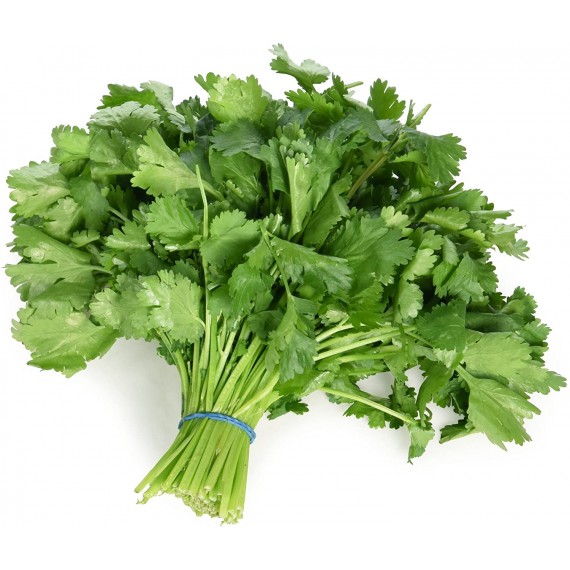

Few things are as frustrating as reaching into the fridge for fresh dhania and finding a sad, slimy bunch that was perky just two days ago. Coriander (cilantro) is one of the most delicate herbs in a Pakistani kitchen — it wilts faster than almost anything else you buy. But here is the good news: learning how to keep coriander fresh for weeks is easy, and it only takes a few minutes of prep. These three methods actually work, and they will save you money and mid-week trips to the sabziwala.
Why does coriander wilt so fast?
Coriander leaves are thin and have a very high water content with almost no protective structure. The moment the bunch is cut, it starts losing moisture through its leaves. Warmth speeds this up, trapped condensation encourages rot, and bruised leaves release enzymes that turn everything slimy. Every storage method below works by controlling these three enemies: moisture loss, excess water, and warmth.
Before you store: prep the bunch properly
Whatever method you choose, start the same way. Untie the bunch and pick out any yellowed, crushed or slimy leaves — one rotten leaf will spoil the rest. Shake off loose soil but do not soak the bunch yet; you will wash it just before use. If the leaves are damp from the market, pat them gently with a clean kitchen towel. Trim about a centimetre off the stem ends so they can drink water cleanly, just like flowers.
Method 1: The water jar (keeps 2–3 weeks)
This is the most reliable method and the one professional kitchens use. Stand the coriander upright in a jar or glass with 3–4cm of fresh water, stems down, leaves up — exactly like a bouquet of flowers. Then loosely cover the leaves with a produce bag or cling film (this creates a mini greenhouse that stops moisture escaping) and place the whole jar in the fridge door. Change the water every two to three days and re-trim the stems once a week. Stored this way, coriander routinely stays crisp and green for two to three weeks. The only rule: keep the leaves out of the water, because submerged leaves rot quickly.
Method 2: The damp towel box (keeps 2 weeks)
If you are short on fridge-door space, this method is brilliant. Lightly dampen a clean kitchen towel or a few sheets of paper towel and wring it out well — it should feel barely moist, not wet. Spread the prepped coriander on it, roll it up loosely like a parcel, and place the roll inside an airtight container or zip bag in the fridge. The towel holds humidity around the leaves while absorbing the excess surface water that causes sliminess. Check every few days and replace the towel if it feels soggy. Expect a good two weeks of freshness.
Method 3: Freeze it (keeps for months)
For long-term storage, freezing beats everything. Wash and thoroughly dry the coriander, chop it, and pack it into ice-cube trays — you can top each cube with a teaspoon of water or oil to protect it from freezer burn. Once frozen, transfer the cubes to a labelled freezer bag. Frozen coriander will not work as a fresh garnish (it goes limp when thawed), but it is perfect stirred into salan, daal or chutney at the end of cooking, where it releases all its flavour. It keeps well for two to three months.
What NOT to do
Do not leave the bunch tied in its market plastic bag on the counter — the trapped warmth and condensation will turn it to slime within a day or two. Do not store it wet in a sealed bag without any absorbent layer, for the same reason. And do not wash the whole bunch before storing unless you dry it completely; surface water is the fastest route to rot. Wash only what you are about to use.
How to revive wilted coriander
If your coriander has gone limp but is not yet slimy or yellow, you can often rescue it. Trim the stems and stand the bunch in ice-cold water for 20 to 30 minutes. The stems draw up water and the leaves frequently perk up remarkably. Pat dry and use immediately — revived coriander will not store again, so plan to cook with it the same day.
Frequently asked questions
Should I wash coriander before storing?
No — store it unwashed and wash only before use. Water clinging to the leaves encourages rot in storage. The one exception is the freezing method, where you wash and then dry the leaves completely first.
Can I store coriander at room temperature?
Only for a day, and only using the water-jar method kept in a cool spot away from sunlight. For anything longer, the fridge is essential — warmth accelerates wilting dramatically.
Why does my coriander turn black in the fridge?
Blackening is usually cold damage from leaves pressed against the back of the fridge, or rot from trapped water. Keep the jar in the door (the warmest part) and make sure leaves are dry and covered loosely rather than sealed airtight while wet.
Master one of these methods and the question of how to keep coriander fresh for weeks is solved for good. Buy the big, cheap bunch with confidence — from now on, it will all get used.