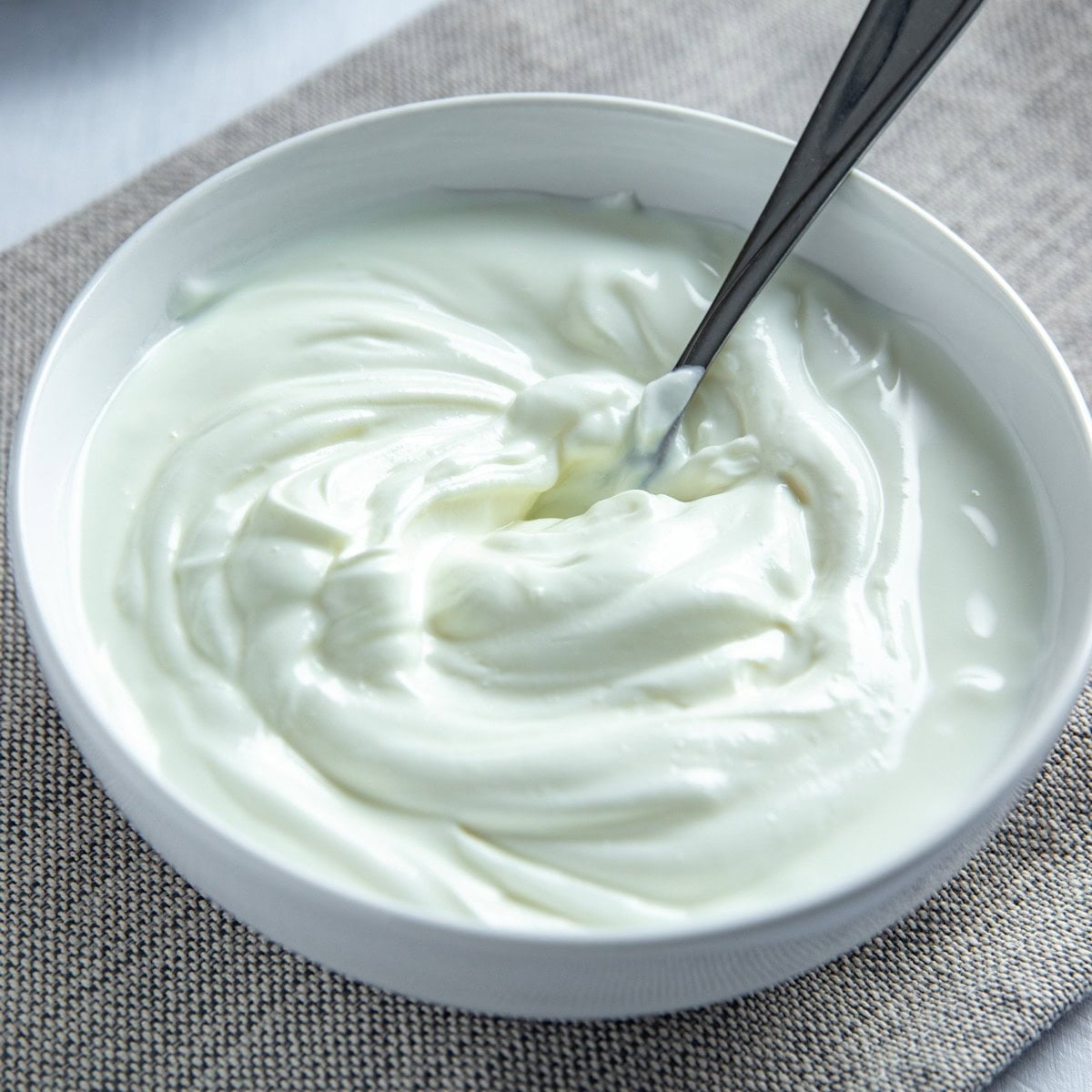

There is dahi, and then there is dahi — the thick, creamy, spoon-standing kind that makes breakfast feel like an occasion. If your homemade yoghurt turns out runny, sour or slimy, do not give up: learning how to make thick dahi at home is mostly about getting three things right — the milk, the temperature and the setting spot. This guide covers the foolproof method, plus what to do when you have no starter at all.
What makes dahi thick?
Dahi thickens when milk proteins form a gentle gel around the live cultures. Full-cream milk gives the firmest set because its fat and protein content build a stronger network — skimmed or low-fat milk makes noticeably thinner dahi. Boiling the milk first and letting it reduce slightly concentrates those proteins further, which is why traditional halwai-style dahi, simmered down in wide pots, sets so firmly. The culture then needs steady, gentle warmth for several hours to do its work undisturbed.
The foolproof method, step by step
1. Choose full-cream milk
Use fresh full-cream milk — buffalo milk gives the thickest dahi, but good cow's milk works well too. Avoid ultra-long-life milk if you can; fresh pasteurised milk cultures more reliably. You will need about a litre for a family batch.
2. Boil and reduce slightly
Bring the milk to a full boil, then lower the heat and simmer for 8–10 minutes, stirring so it does not catch. This step kills off competing bacteria and evaporates a little water, concentrating the milk for a thicker set. Traditional cooks reduce it even further for extra-thick dahi.
3. Cool to lukewarm
This is the step most people get wrong. Let the milk cool until it is comfortably warm to the touch — like warm bathwater. Too hot and it kills the culture (no setting at all); too cold and the culture works painfully slowly. If you can hold your clean finger in it comfortably for a few seconds, it is ready.
4. Add the starter (jaag)
Whisk one to two tablespoons of starter into a little of the warm milk until completely smooth, then stir it through the whole pot. Your starter can be a spoonful of previous homemade dahi or plain store-bought yoghurt — just check it is plain, unsweetened yoghurt with live cultures. Lumps of starter create uneven texture, so whisk well.
5. Set it undisturbed in a warm spot
Pour into a clean clay, glass or steel vessel (clay pots wick away a little moisture and give famously firm dahi), cover with a lid or plate, and place somewhere warm and completely still — inside a switched-off oven, wrapped in a thick towel, or in a warm corner of the kitchen. Leave it utterly undisturbed for 6–8 hours, or overnight. Peeking, shaking or moving the pot breaks the delicate gel as it forms.
6. Chill before serving
Once set, refrigerate the dahi for a few hours before eating. Chilling firms the texture noticeably — dahi eaten warm from the pot always seems softer than the same dahi after chilling.
No starter? Here is what to do
If you have no homemade dahi to use as jaag, buy a small cup of plain, unsweetened yoghurt with live cultures and use two tablespoons of that — it works just as well. What you cannot do is set dahi from milk alone with no culture at all; without live bacteria, warm milk simply spoils instead of fermenting. One small cup of live yoghurt is the only "starter" a beginner needs, and after your first batch you will never need to buy it again.
Troubleshooting: why your dahi failed
It did not set at all
The milk was too hot (killed the culture), too cold (culture dormant), or the starter had no live cultures. Next time, check the lukewarm temperature carefully and use a reliable live yoghurt as starter.
It is watery on top
A little whey on the surface is normal — just pour it off or stir it in. A lot of whey means the milk was disturbed while setting or cultured too long. Keep the pot still and check an hour earlier next time.
It tastes too sour
Over-fermentation: it sat too long or the spot was too warm. In summer, dahi can set in 4–5 hours — check early and refrigerate the moment it is firm. Always refrigerate promptly after setting; sourness keeps developing at room temperature.
It turned slimy or stringy
This usually comes from a weak or contaminated starter. Switch to a fresh live-culture yoghurt as your jaag, sterilise the vessel with boiling water, and it should clear up in the next batch.
Frequently asked questions
How long does homemade dahi last?
Refrigerated in a clean, covered container, homemade dahi stays good for 3–4 days. It gradually turns more sour, so use the freshest for eating plain and the tangier for kadhi, raita or marinades.
Can I use a steel or plastic container?
Yes — clean glass, steel or food-grade plastic all work. Clay is traditional and gives a lovely firm set, but it is a preference, not a requirement.
Why is restaurant dahi so much thicker?
Commercial dahi is often made from reduced milk and sometimes strained. At home, you can mimic it by simmering the milk a little longer and, for extra-thick results, straining the set dahi through muslin for an hour to make hung curd.
Thick dahi is not a talent — it is a technique. Full-cream milk, lukewarm patience, a live starter and a still, warm corner: master those, and you will never buy a tub again.