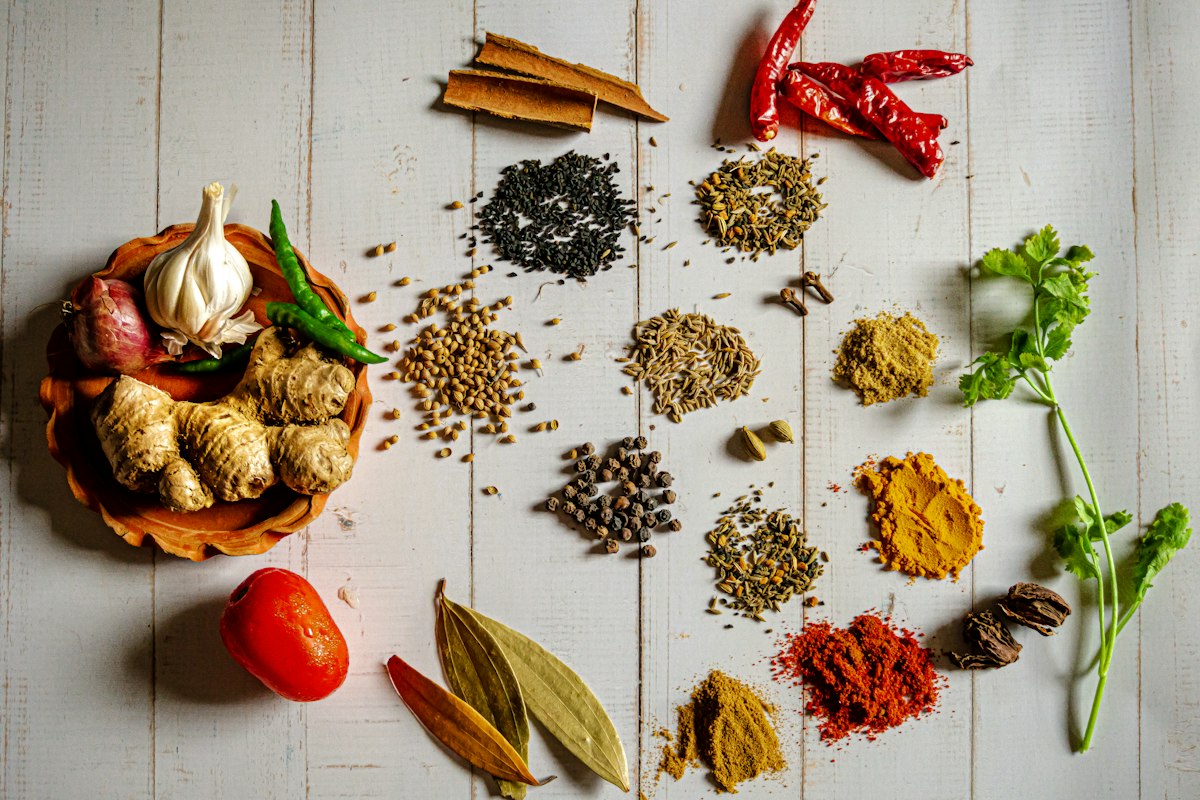

If you cook Pakistani food, your spice dabba is the heart of your kitchen — and the monsoon is its worst enemy. Humidity sneaks into every jar, turning ground spices into stubborn clumps, dulling their aroma and, at worst, encouraging mould. Learning how to store spices in humid weather is not fussy kitchen advice; it is the difference between a fragrant, potent garam masala and a sad brown powder that tastes of nothing. Here is how to monsoon-proof your masalas.
Why humidity destroys spices
Ground spices have an enormous surface area, which means they absorb moisture from the air eagerly. In humid weather, that moisture makes powders clump and harden, and it accelerates the loss of the volatile oils that carry flavour and aroma. Whole spices resist better because less surface is exposed, but even they suffer in damp, warm kitchens. Light, heat, air and moisture are the four enemies — humidity is simply the hardest one to fight in a Pakistani summer.
7 rules for storing spices in humid weather
1. Switch to airtight glass jars
The thin plastic bags spices come in are useless against humidity. Transfer everything to clean, completely dry glass jars with tight-fitting lids — metal screw-tops or clamp jars with rubber seals. Glass does not absorb odours, lets you see what is inside, and, most importantly, keeps moist air out every time you open and close it. Make sure the jar is bone-dry before filling; even a few drops of water trapped inside will start the clumping.
2. Keep them cool, dark and away from the stove
The shelf right above the cooker feels convenient, but heat and steam from cooking are brutal on spices. Store your jars in a cool, dark cupboard away from the stove, the kettle and any sunny window. A closed kitchen cabinet is ideal. Light fades colour (your Kashmiri laal mirch will tell the story) and warmth speeds up flavour loss, so darkness and coolness matter as much as dryness.
3. Buy whole spices and grind small batches
Whole spices — sabut dhania, zeera, kali mirch, laung — keep their flavour far longer than ground ones because their aromatic oils stay locked inside. In humid climates this advantage is even bigger. Buy whole, store airtight, and grind only what you need for a week or two in a small electric grinder or imamdasta. Freshly ground garam masala will outperform any months-old packet.
4. Buy in small quantities, more often
That kilo bag of haldi is only a bargain if you use it before humidity wins. In monsoon season, buy ground spices in small packets you will finish within a month or two. Spices do not improve with age — a small, fresh packet always beats a large, stale one. This single habit does more for your cooking than any storage gadget.
5. Never sprinkle directly over a steaming pot
Shaking spices straight from the jar into a bubbling karahi lets steam rush up into the jar, and that puff of moisture starts clumping immediately. Instead, measure spices into a small bowl or your palm first, then add them to the pot. It is a tiny change of habit that keeps every jar drier for months.
6. Use the dry-rice trick for opened packets
For masalas you use daily, add a few grains of dry uncooked rice to the jar — rice absorbs ambient moisture and slows clumping. Food-safe silica gel sachets (the kind that come in medicine bottles) work even better for long-term storage; just keep them clearly separate from the spice. And always use a completely dry spoon — a damp spoon is how jars go from fine to ruined in a week.
7. Do not refrigerate ground spices
The fridge feels dry, but every time you take a cold jar out, condensation forms inside it — exactly the moisture you are fighting. The one exception is high-value items like saffron (zafran), which benefits from an airtight container in the fridge. For everything else, the cool dark cupboard wins.
How to tell if your spices have gone stale
Rub a pinch between your palms and smell: fresh spices release a strong, immediate aroma; stale ones smell faint, dusty or of nothing at all. Ground spices past their best also lose colour — bright red chilli turns brick-brown, vibrant haldi looks dull. Stale spices are not unsafe, just flavourless — which quietly ruins dishes, because you keep adding more without effect.
Can you revive clumped spices?
If a powder has clumped but still smells strong, break it up, spread it on a tray in a cool dry room for a few hours, then re-jar it with dry rice grains. If it smells of nothing, no rescue will bring the flavour back — replace it. And if you ever see mould or smell mustiness, discard the whole jar; it is not worth the risk.
Frequently asked questions
How long do ground spices last in humid weather?
With good airtight storage, most ground spices stay potent for several months; poorly stored, they can fade within weeks in peak monsoon. Whole spices last far longer — often a year or more in a sealed jar.
Are steel masala dabbas okay in humidity?
Traditional steel dabbas are fine if the lid fits tightly and you keep them away from steam, but their loose lids admit more air than a sealed glass jar. For the humid months, glass jars with proper seals protect flavour better.
Should I sun-dry my spices during monsoon?
A brief spell in gentle morning sun can drive surface moisture out of whole spices, but do not leave ground spices in strong sun — light and heat destroy the very aromas you are trying to save. Airtight storage beats sun-drying for powders.
Humidity is inevitable, but flavourless spices are not. Jar them right, grind fresh, buy small — and your masalas will stay as bold in August as they were in January.