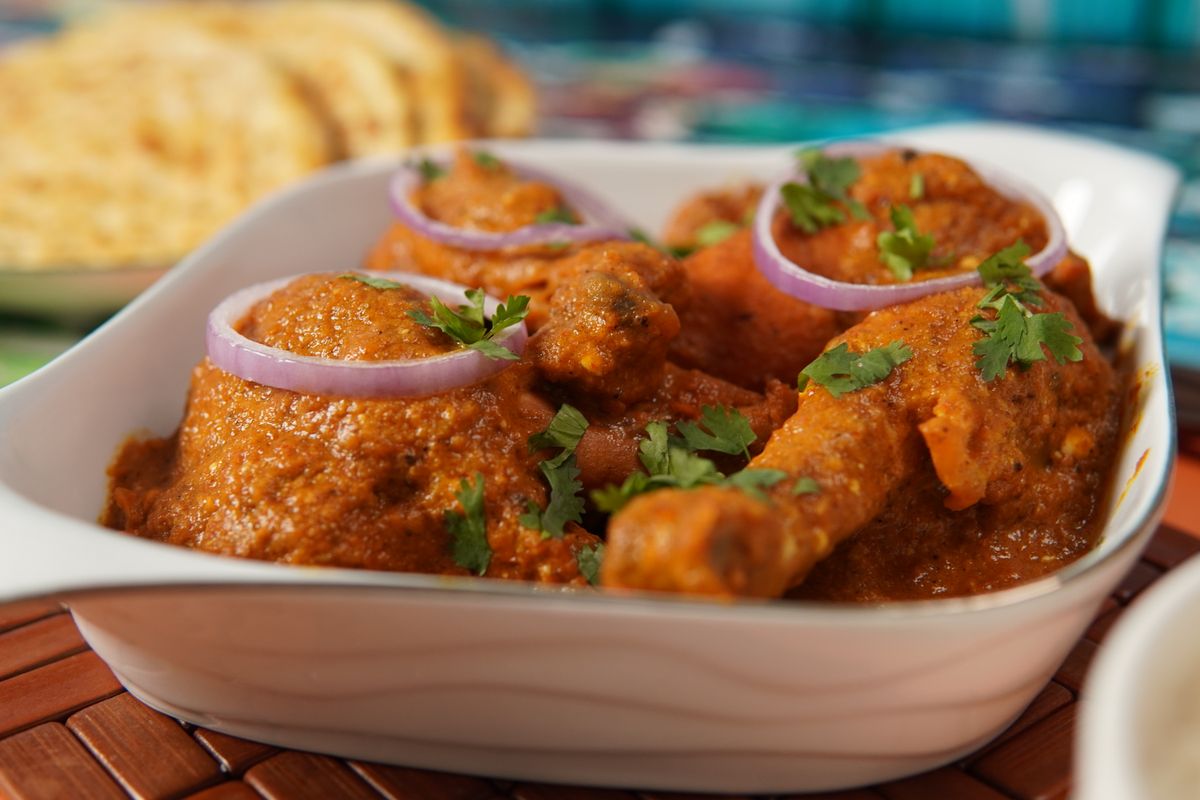
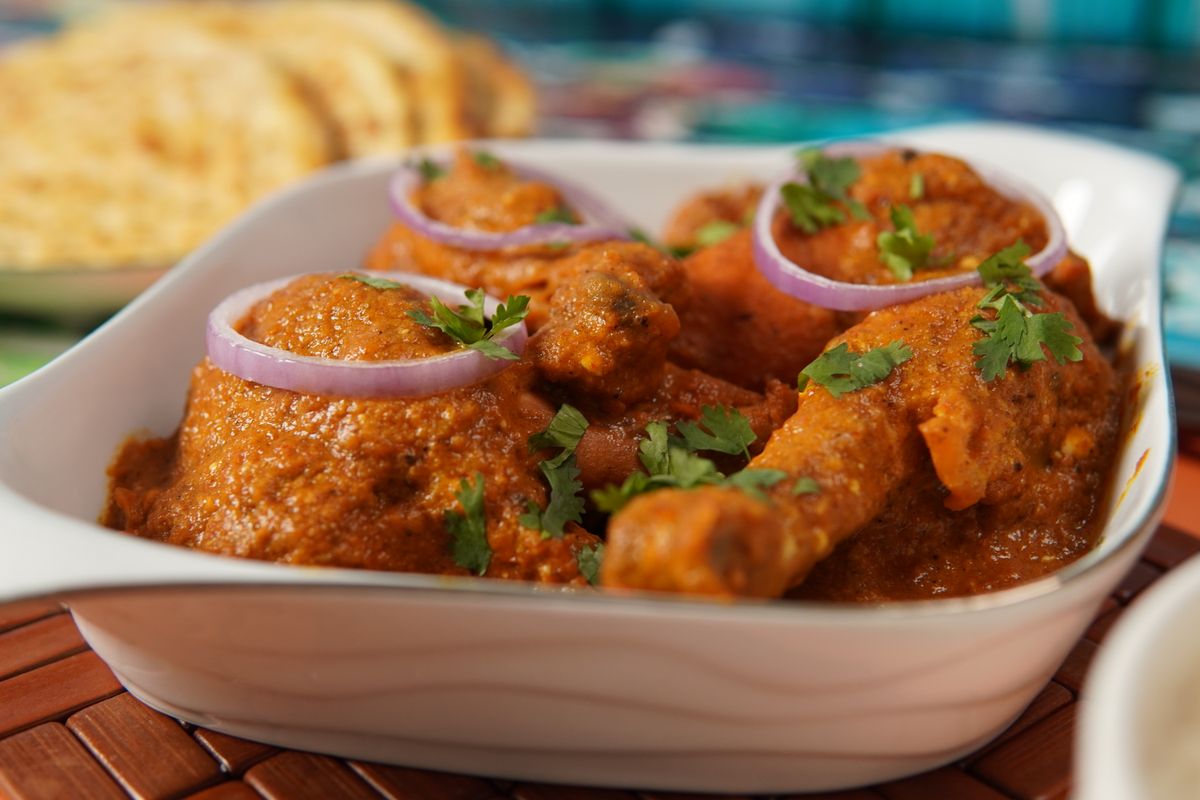
Chicken qorma should be rich, mildly sweet and deeply savoury — never bitter. Yet bitterness is one of the most common qorma complaints, and it almost always traces back to one step: the browned onions. Here are the 5 causes of bitter chicken qorma and how to fix each one, plus a rescue plan if the pot is already on the stove.
5 Causes of Bitter Chicken Qorma
1. The onions went past golden to burnt
This is the number one cause. Qorma needs onions fried to a deep golden brown — but there is a fine line between golden and burnt, and burnt onion is intensely bitter. The tricky part: onions keep darkening in residual heat even after you take them off the flame. Fix: fry on medium heat, stirring constantly, and pull the onions just before they look done. They should be the colour of light caramel, never dark brown or blackened at the edges.
2. Too many whole spices, or burnt spices
Cloves, black cardamom and black peppercorns turn bitter when fried too long or used too heavily. Fix: add whole spices to warm (not smoking) oil, bloom them for just 30–45 seconds until fragrant, and keep quantities moderate — for 1 kg chicken, 4–5 cloves and 2 black cardamoms are plenty.
3. Burnt garlic or ginger paste
Ginger-garlic paste scorches quickly if it hits screaming-hot oil. Burnt garlic is sharply bitter and will taint the whole qorma. Fix: lower the heat before adding the paste, and sauté only until the raw smell disappears — about 1–2 minutes.
4. Bitter yoghurt or old spices
Overly sour yoghurt adds an unpleasant edge, and stale ground spices (especially old cumin or coriander powder) can taste musty-bitter. Fix: use fresh, mild yoghurt whisked smooth, and check your spices — ground spices lose their sweetness after 6–12 months.
5. Scorched milk solids at the bottom
Once the yoghurt goes in, the pot needs gentle heat and regular stirring. High heat can scorch the milk solids on the base, adding bitterness. Fix: cook qorma on low-medium after adding yoghurt, and stir in a figure-of-eight motion that scrapes the bottom.
How to Fix Bitter Qorma That Is Already Cooked
If the qorma is already bitter, do not despair — you can usually balance it. First, taste to judge severity. For mild bitterness: stir in 2–3 tablespoons of fresh cream or malai, which rounds off bitter edges beautifully. A teaspoon of sugar or a tablespoon of kewra-seasoned milk also helps — qorma traditionally has a faint sweetness anyway. Adding a handful of ground almonds or cashew paste thickens the gravy and mellows harsh notes. For strong bitterness from badly burnt onions, the honest fix is to lift out as much of the gravy as you can, make a small fresh masala base, and combine — diluting the burnt flavour.
Preventing Bitter Qorma Next Time
Fry onions patiently on medium heat, bloom whole spices briefly in moderate oil, keep ginger-garlic paste off scorching heat, use fresh yoghurt and fresh spices, and simmer gently once the dairy is in. Nail those five habits and your qorma will be sweet, rich and restaurant-worthy every time.
FAQs
Should qorma onions be crispy or soft?
Golden and crisp-edged but not dark. Many traditional recipes grind the fried onions into a paste, which is why even colour matters — dark bits cannot hide once blended.
Can I use ready-made birista (fried onions) for qorma?
Yes — good-quality birista works well and removes the riskiest step. Just check it is golden, not over-browned, before buying.