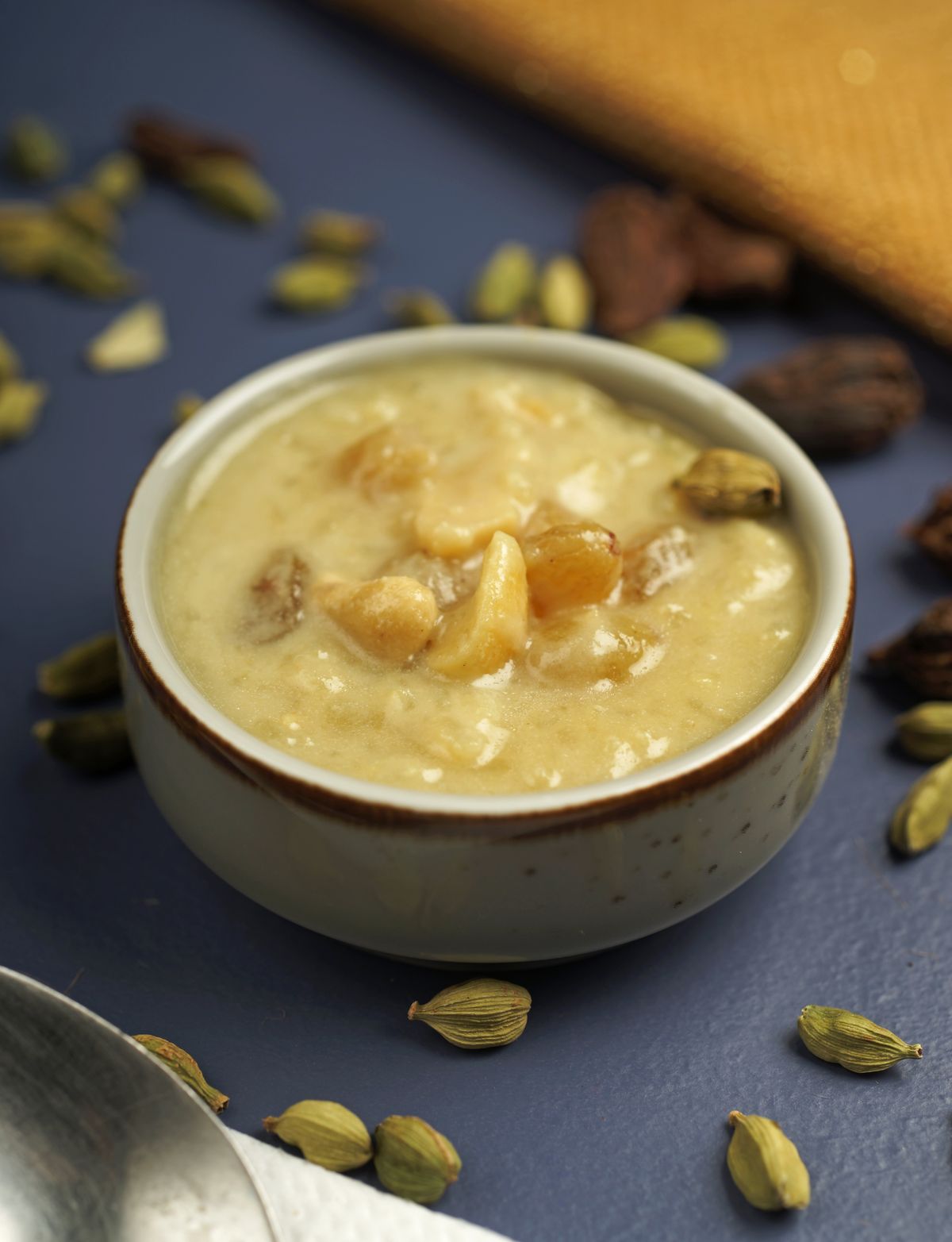
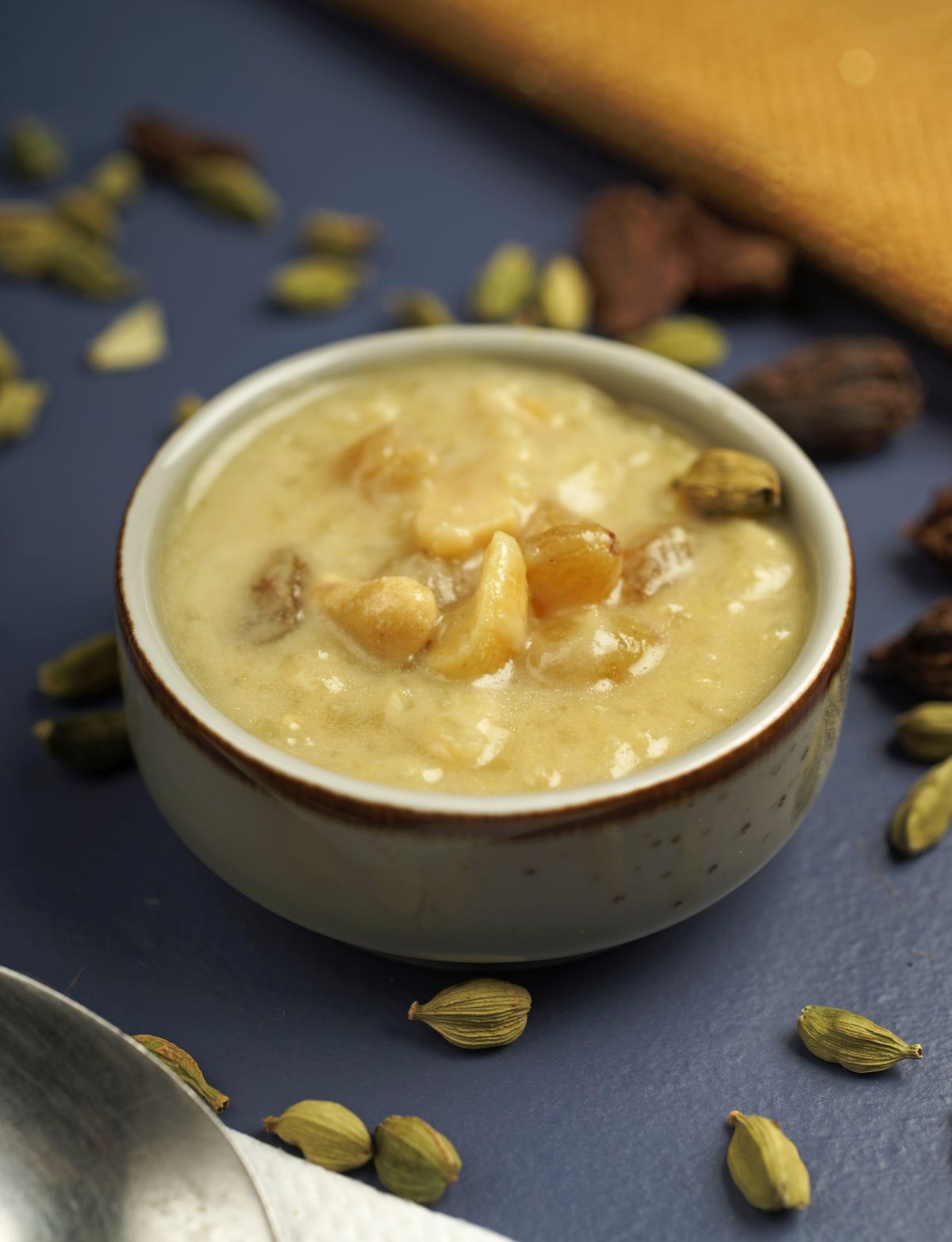
Perfect kheer is thick, creamy and coats the spoon — never watery. But many home cooks end up with a thin, milky kheer that tastes more like sweet doodh than dessert. The good news: thin kheer is almost always fixable, and with a few technique tweaks you can get it right from the start. Here is why your kheer turns out thin and 7 ways to thicken it.
Why Is My Kheer Too Thin?
The most common cause is simply too much milk for the amount of rice. Kheer thickens as the rice starches release into the milk and the milk reduces — both processes take time. If you use a high milk-to-rice ratio, rush the cooking, or use the wrong rice, the starches never get a chance to do their job. Using full-cream milk matters too: skimmed or low-fat milk produces a noticeably thinner kheer.
7 Ways to Thicken Kheer
1. Get the rice-to-milk ratio right
The classic ratio is about 1/4 cup of rice to 1 litre of full-cream milk. More rice means more starch and a thicker result. If your kheer is consistently thin, you are probably using too little rice — increase it slightly next time.
2. Use the right rice
Short or medium-grain rice releases more starch than long-grain basmati. Traditional kheer is often made with broken or short-grain rice for this reason. If you only have basmati, soak it for 30 minutes and crush it lightly before adding — this helps the grains break down and thicken the milk.
3. Simmer low and slow
Kheer cannot be rushed. Keep it at a gentle simmer for 45–60 minutes, stirring regularly so it does not catch. The long, slow reduction evaporates water and concentrates the milk solids — this is where real thickness comes from.
4. Mash some of the rice
Halfway through cooking, press some of the softened rice grains against the side of the pot with your spoon. The released starches thicken the kheer beautifully without any added ingredients.
5. Add khoya or milk powder
For a quick rescue, stir in crumbled khoya (mawa) or 2–3 tablespoons of full-cream milk powder dissolved in a little warm milk. Both add milk solids instantly and give that rich, condensed flavour of slow-cooked kheer.
6. Stir in condensed milk
A few tablespoons of condensed milk thicken the kheer and sweeten it at the same time. Reduce the added sugar accordingly, and remember condensed milk makes the kheer richer — a little goes a long way.
7. Let it rest and chill
Kheer thickens considerably as it cools — a kheer that looks slightly thin when hot will often be perfect at room temperature or chilled. Always judge the final consistency after resting, not straight off the flame.
What Not to Do
Avoid thickening kheer with cornflour or plain flour. They give a gluey, artificial texture that is nothing like the creamy body of properly reduced kheer, and sharp tasters will notice immediately. Patience and the right ratio beat shortcuts every time.
FAQs
Should kheer be thick or thin?
Personal preference plays a role — some families like a pourable kheer. But the classic festive kheer is thick enough to coat the back of a spoon and hold the rice grains in suspension rather than letting them sink.
Why does my kheer get thin again after refrigeration?
Sometimes chilled kheer loosens slightly as starches relax. Give it a good stir; if it is still thinner than you like, simmer it gently for a few more minutes before serving.